


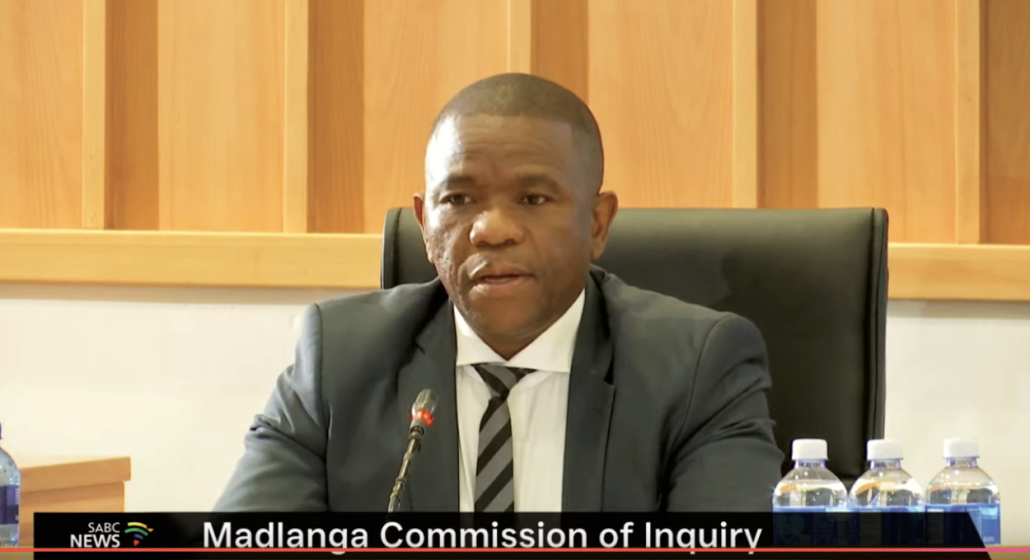
The date is 6 July 2025, and the country is watching, shell-shocked and disbelieving, as Lieutenant-General Nhlanhla Mkhwanazi alleges corruption and organised crime in the highest ranks of the police force.
Mkhwanazi’s allegations prompted a flurry of denial and counter-accusations, but a year on, we as an organisation, and we as a nation are seeing more and more how deep the corruption really goes.
Those accusations were a pivotal moment in South Africa’s crime- and corruption-fighting history. They led to the establishment of the Madlanga commission and the parliamentary ad-hoc committee, both delving into the allegations of police corruption, and what has emerged in that year shows how compromised the South African Police Force (SAPS) is.
Corruption Watch has highlighted several causes of concern which tie into the work the organisation has done for many years. The levels of procurement and supply chain decay are symptomatic of a vast network of fraud and irregular contract approvals sustained by years of political protection – we have seen the likes of the politically connected Vusimuzi ‘Cat’ Matlala scoring multimillion-rand contracts from Tembisa Hospital and later from SAPS.
“We need a complete overhaul of the policing system, which includes particular attention to procurement,” says Corruption Watch executive director Lebogang Ramafoko. “This must be public, open to public scrutiny, and must ensure that whoever gets tenders from the state is qualified to do so.”
Whistle-blowers
Another area of great importance for us is the vulnerability of whistle-blowers in this matter – though this cuts across all sectors and issues. Testimony from in-camera police investigators exposed the appalling and utterly unacceptable situation of “police threatening police,” file disappearances, and assassination risks. This environment forced the commission to reinforce its remote testimony protocols, reinforcing warnings from Corruption Watch that whistle-blower protection remains a critical, unresolved crisis.
“We need proper whistle-blower protection because they safeguard our democracy,” Ramafoko says.
The killing of Marius van der Merwe on 5 December – who had testified in-camera in early November, reportedly having refused witness protection – shows how ruthless the implicated individuals are.
Other matters of critical importance are the infiltration into SAPS by criminal syndicates. This is not a new thing, but its extent was not fully understood. We’ve seen claims of impropriety in the judiciary as well. We’ve seen claims of political interference in operational matters. But mostly, we’ve seen how important it is for the public to participate in high-level appointment processes, to monitor and ensure appointments are made fairly, transparently, and on merit – and the final decision should not be made unilaterally.
“We also need to review public appointments of senior personnel, because numerous appointments such as that of Feroz Khan were made for the purposes of looting the state,” adds Ramafoko. “A country like ours that is open and susceptible to organised crime cannot afford to place mediocre at best, non-qualified at worst, people, and the only conclusion we can draw is that they are there to loot the state.”
Political will needed
She also urges President Cyril Ramaphosa to show political will in the matter, especially to the public. “There was a recommendation by Zondo around appointments. The president himself set up the Anti-Corruption Advisory Council, who have advocated and have given him a report on establishing an independent integrity body that has not been implemented.”
Politics, political patronage, and the complex criminal organisations are feeding into each other, she says, and the person that ultimately suffers is the ordinary person in the street. “And it’s usually a black woman. How many women are sitting with children who are on drugs? And 60% of children are in single-headed households, mainly headed by women, some of them grandmothers don’t know what to do with drugs.”
One of the sources of drugs entering communities is police officials, she says. “Now, if you were any president sitting in a country where your own police officials are selling drugs, and you are a post-democracy president, and you’ve promised us a better life for all, you’ve promised us Thuma Mina, you’ve promised us all of these things – just get out of here.”


